

Picture stepping into a bustling kitchen filled with chefs from around the world, each working with the same core ingredients—spices, proteins, and grains—but creating wildly different dishes. Imagine the energy in the room and the aroma-filled air.
Indeed, the world of managed futures funds and Commodity Trading Advisors (CTAs) is much like this culinary scene. We got a taste of it at HedgeNordic’s latest round table discussion on Managed Futures in Stockholm. We were reminded of the diversity of “flavours” among managers and programs, examined why performance in this space can vary so dramatically and how investors can savor the best of what this eclectic menu offers.
There is a German idiom which translates to “we all cook with water,” meaning everyone is equal and starts with the same preconditions with no magic tricks up their sleave. However, as we all have experienced, what lands on our plates heavily depends on whether it’s prepared by a master chef in the kitchen or someone inept at cooking.
The dispersion in performance among CTAs arises from a mix of unique “recipes” in strategy design. Some managers might favor “spicy” high-risk, high-return profiles, while others prefer the “savory” balance of risk-adjusted returns. Differing timeframes, markets traded, risk management techniques, and execution methods create distinct layers of complexity—much like seasoning a dish to suit individual taste.
Though most managed futures strategies are fully systematic, the individual personality, conviction, discretionary choices, the “culinary preferences and dietary experiences” of the managers behind these “recipe” infuse them with unique character, adding to dispersion in approaches and performance. Even within similar rule-based frameworks, the subtle seasoning of discretion—when to tweak a model, adjust exposure, or introduce or decline new markets—adds layers of individuality to each strategy.
Given this range of approaches, indexing in managed futures may be seen as blending all those
culinary creations into a single dish. The resulting homogenization, the “stew” if you like, for some, may lack the distinctiveness and richness that individual strategies bring to the table. For others, this may be the quick, convenient and efficient way to fill the belly.
Investors who embrace the diversity in this space and have the skill, resources and access to thoughtfully select a portfolio of CTAs may prefer a full course meal by carefully hand-picking complementary approaches— each strategy contributing its unique flavor to enhance the overall experience.
But discussing diversity and dispersion was just the amuse-bouche…
Other items served from the menu included “Innovation in CTA Strategies and Products,” “Trend-Following Replication and Non-Trend Diversification Efforts” and “The Role of CTA ETFs.”
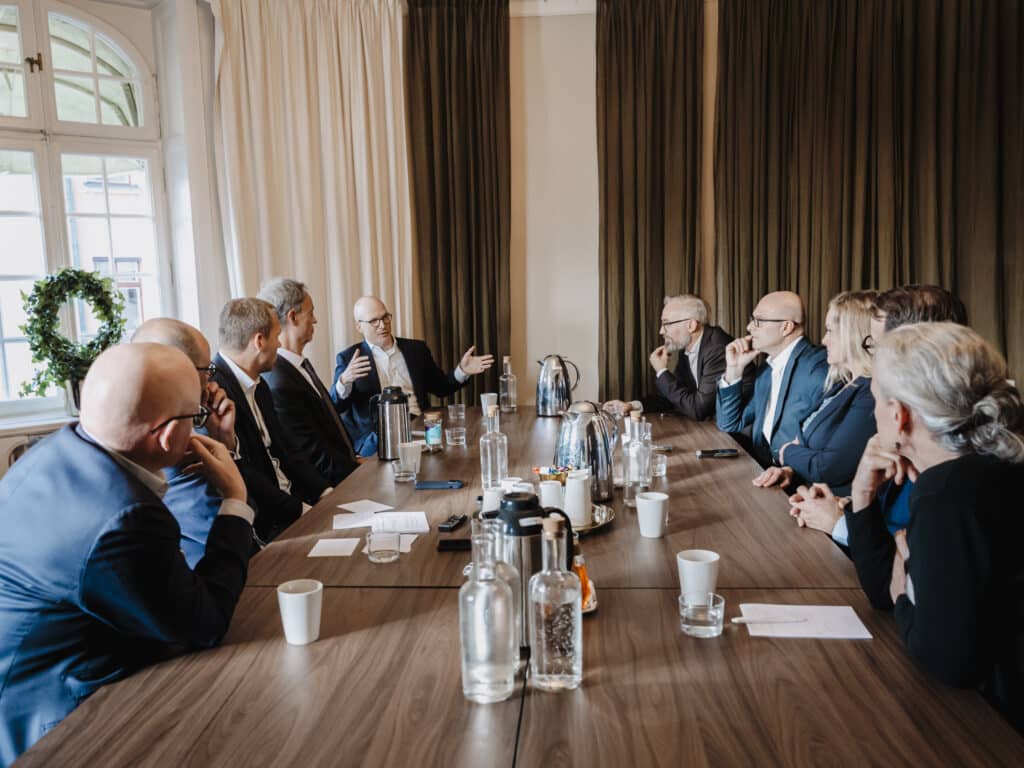
The cooks in the kitchen for the discussion were Linus Nilsson (Tidan), Harold de Boer (Transtrend), Martin Källström (Lynx), Moritz Seibert (Takahē), Kathryn Kaminski (AlphaSimplex), Jerry Parker (Chesapeake), Julia Axelsson (Swedbank Robur), Razvan Remsing (Aspect), Kamran Ghalitschi (HedgeNordic) and Andrew Beer (DBi).
Join us as we explore the ingredients behind the approaches and uncover how investors can craft their own perfectly balanced “tasting menu” of managed futures strategies.
The stove is hot, so let’s get cooking!
