

By Fleura Shiyanova at Kepler Unigestion: European small- and mid-cap equities offer access to businesses at the centre of Europe’s investment priorities, yet many remain outside the focus of institutional portfolios. The segment tends to have fewer analysts, lower institutional ownership and less frequent investor engagement than large caps. Smaller trading volumes and the research effort required to understand a broad universe can also make it harder for institutions to build meaningful positions. For investors prepared to undertake that work, these characteristics may create opportunities for stock selection.
The reasons to look more closely are strengthening. Infrastructure renewal, electrification and industrial sovereignty are creating sources of demand across Europe, while an improving earnings outlook should draw attention to valuations that remain below their historical relationship with large caps. At Kepler Unigestion, we believe this combination makes European SMIDs particularly suited to an approach that brings systematic analysis and fundamental research together.
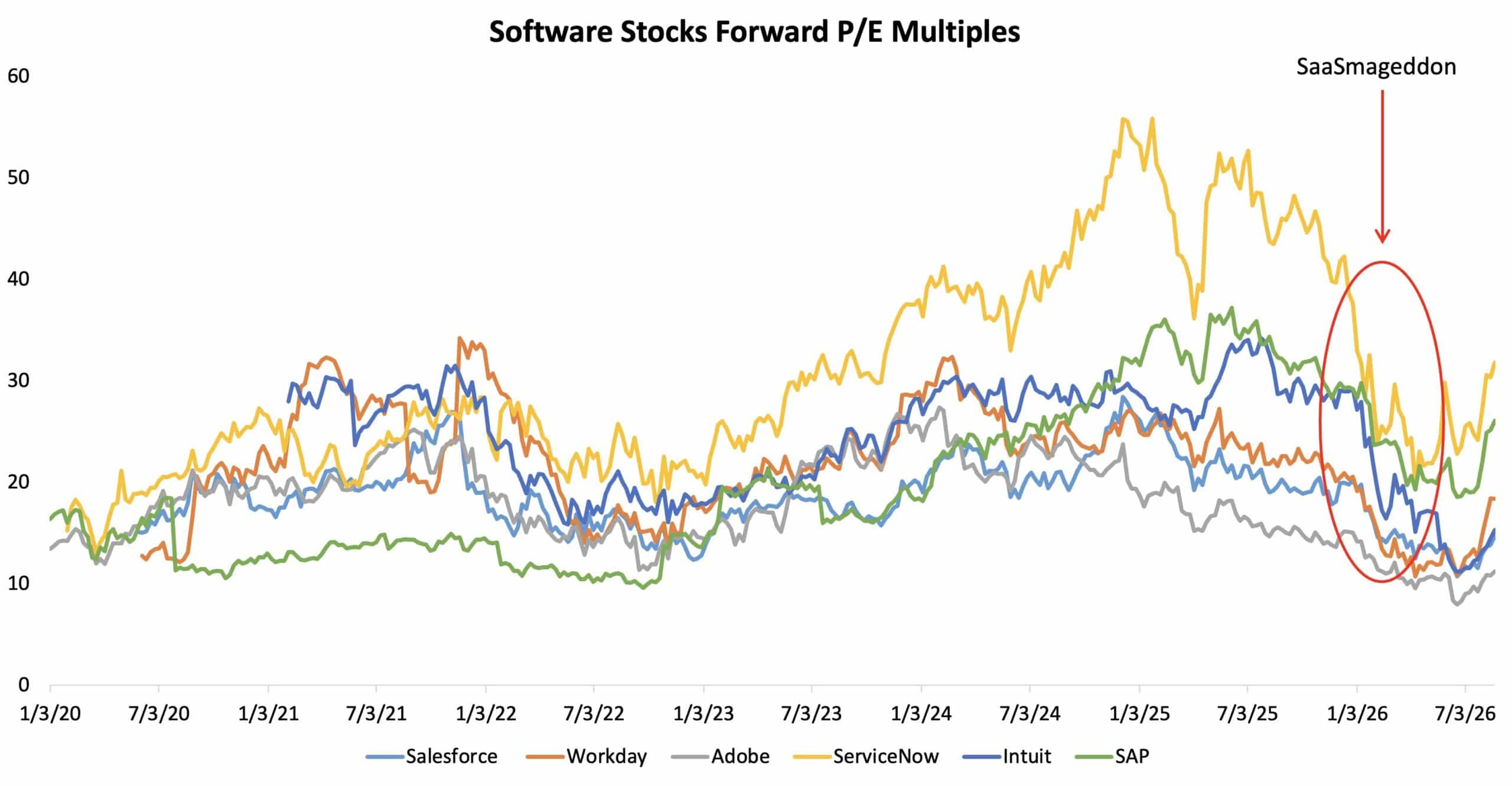
The wider equity backdrop adds relevance to the opportunity. The AI capital-spending boom has supported powerful market gains, but it has also concentrated investor exposure around a relatively narrow set of businesses and expectations. China’s DeepSeek moment in early 2025 raised fears that US hyperscalers might not need to spend as heavily on AI. Early 2026 brought the “SaaSmageddon,” which cut the valuations of incumbent software companies by as much as half amid concerns that AI would erode their future revenues. Europe offers a different mix of earnings drivers, with opportunities across industrial investment, financial services and infrastructure. Its relative scarcity of listed AI enablers can make it a useful source of diversification, although it does not remove exposure to global market shocks.
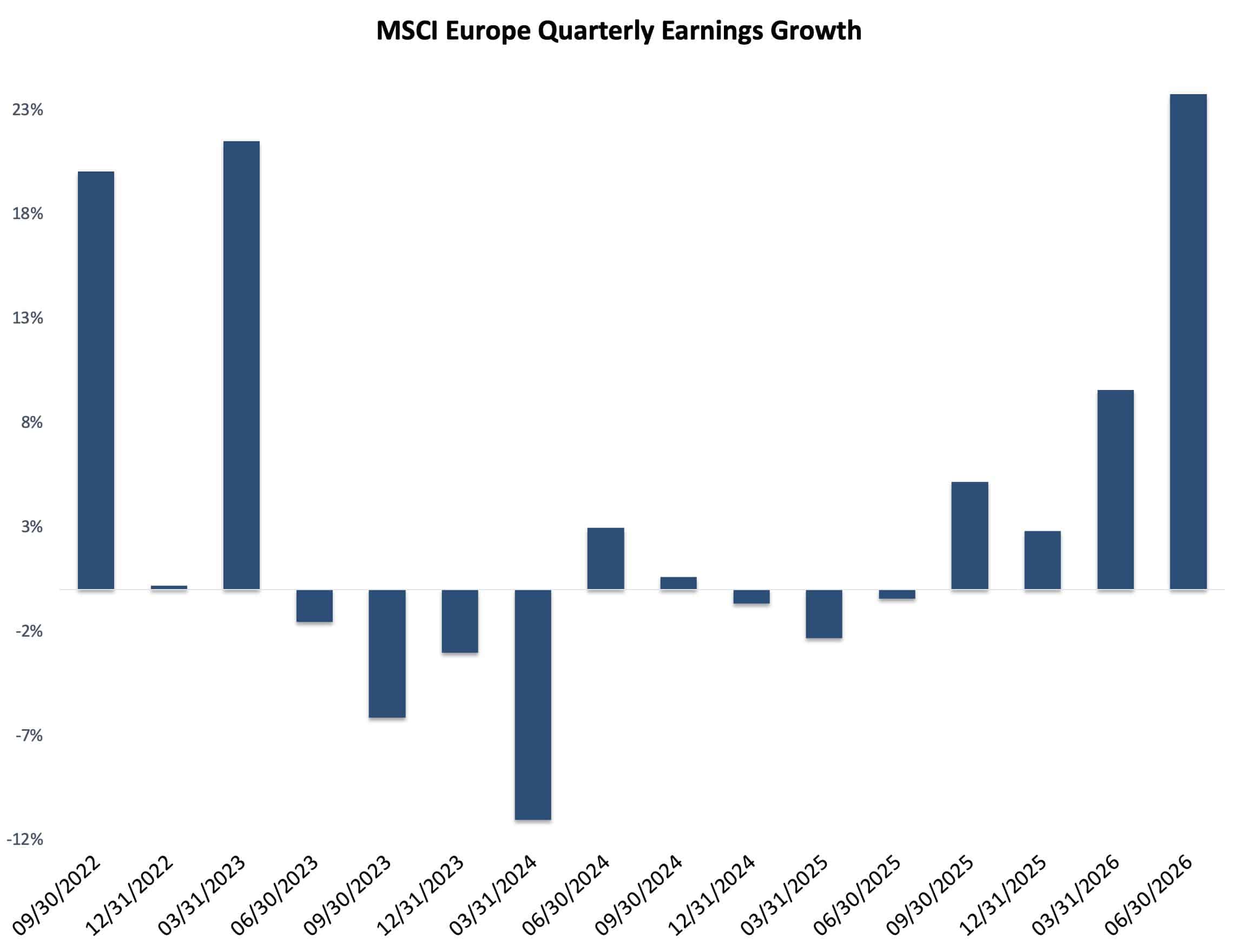
There is also a fundamental basis for renewed interest. The latest earnings season showed European banks combining resilient net interest and fee income with lower-than-expected credit losses. Industrial companies were converting backlogs across electrification, infrastructure, data centres and defence into higher revenues and margins. By the end of the summer, analysts’ forecasts for 2026 European earnings growth had risen to nearly 20%, from just over 10% earlier in the year. This provides a more supportive setting in which to assess opportunities further down the market-cap spectrum.
Combining systematic breadth with fundamental expertise
Our mind and machine approach starts with the breadth of the European SMID universe. Systematic and AI-enabled models can screen a wide range of companies consistently and identify changes that have the potential to drive stock returns. Fundamental research then provides the judgement needed to assess whether those changes reflect temporary effects or a durable improvement in a company’s earnings power. The attraction of the combination is particularly clear in a market where important operational developments may take longer to be reflected in share prices.
The two perspectives address different investment questions. Systematic analysis helps identify relative opportunities across stocks, sectors and countries. Fundamental analysis examines the business behind those signals, including its pricing power, balance-sheet resilience and ability to execute. Positive earnings revisions may be encouraging, but their investment significance—and whether they warrant higher portfolio weights—depends on whether they reflect lasting demand, stronger competitive positioning or a short-lived recovery. For example, earlier this year, our fundamental team reviewed our position in a UK water utility against a backdrop of rising bond yields, which can weigh on utility valuations given the sector’s bond-proxy characteristics. The model favoured the company’s growth profile, but we believed its quality assessment did not fully capture its financial resilience and track record of operational outperformance over the previous regulatory period—strengths we considered particularly valuable in the UK water sector facing persistent challenges. We also viewed the acceleration in growth of its regulated asset base, supported by the need to upgrade water and wastewater infrastructure in the country, as a sufficiently powerful driver to help offset the share price pressure from higher bond yields. Our fundamental analysis therefore led us to increase the position beyond the model’s initial allocation. From that increase through the end of August, the stock outperformed the UK market by approximately four percentage points.
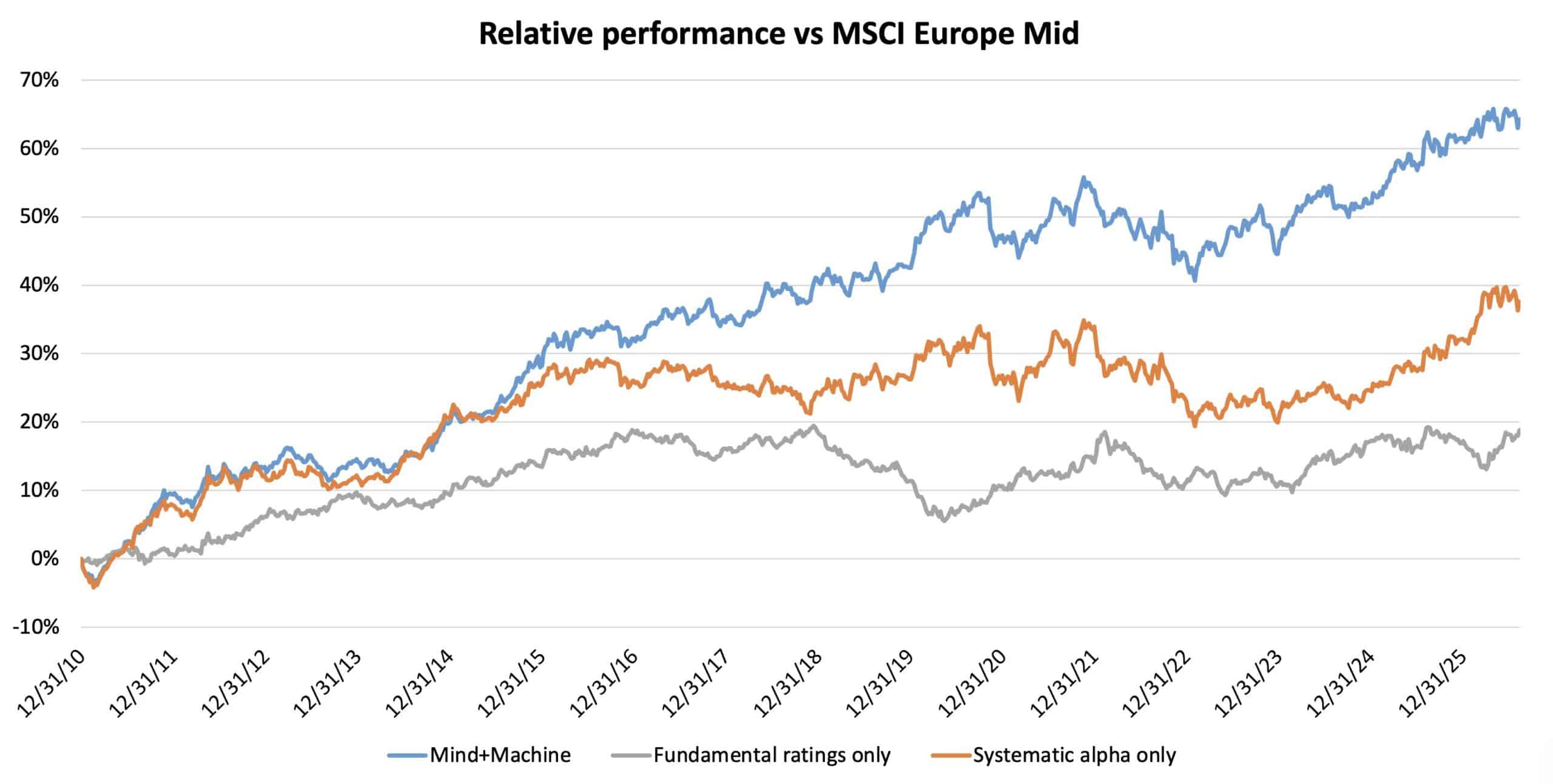
Fundamental analysis of an individual company requires detailed understanding of the business. The depth of the analysis and the specific knowledge required cannot be matched by a systematic model. The fundamental analysts drilling into a company’s operations are necessarily highly specialized in the industry or industry group they cover, while taking into account the specifics of countries where a company does business. On the other hand, comparing hundreds of companies comprising the broad universe is beyond human capacity. This is where a systematic model has an edge. While, by definition, a broad quantitative model cannot be as detailed as fundamental analysis, it offers the breadth of comparison among hundreds of companies using hundreds of metrics. State-of-the-art machine learning models provide the capability needed to analyze all the complex variables and their interactions over a wide cross-section. As evidenced by the simulation, constructed with the same settings, both fundamental and systematic approaches offer compelling investment proposals. Yet it is the combination of mind and machine that is by far the most attractive as it unites the strengths of each approach. The simulated performance of the strategies is relative to the MSCI Europe Mid TR benchmark, accounting for realistic transaction costs.
“European SMID is one of the few segments where we believe genuine research advantage is still available to those willing to do the work. Systematically, we can look at every name; through fundamental analysts’ research, we can look closely at the ones that matter. Neither half would be good enough on its own.”
Alexandre Marquis, Head of Equity Investments at Kepler Unigestion
Accessing long-term investment needs in Europe
European SMIDs are well positioned to benefit from several secular growth trends within Europe to which larger, more internationally diversified peers typically have lower beta. Infrastructure upgrades, grid modernisation, data-center buildout, supply-chain resilience, and rising defence and industrial-sovereignty spending amid geopolitical tensions should disproportionately benefit SMID companies, given their greater exposure to European end markets.
The latest earnings season offered evidence of that potential. Within capital goods, the strongest performances came from companies positioned to capture long-term demand across electrification, data centers and energy-efficient HVAC.
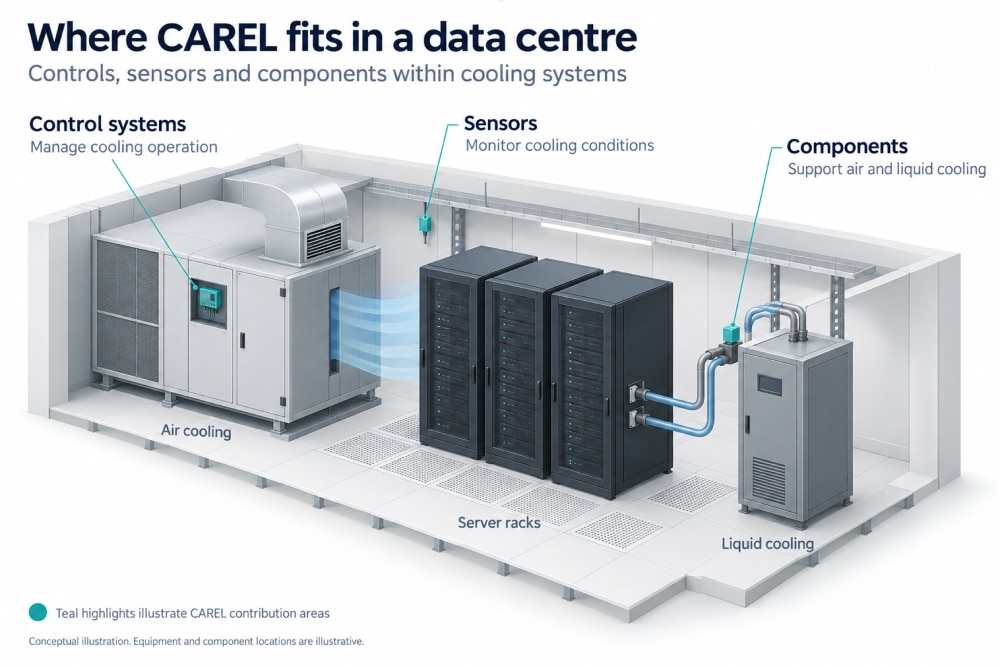
Italy’s Carel provides exposure to Europe’s expanding datacentre ecosystem through its mission-critical control systems, sensors and components used in energy-efficient HVAC and liquid-cooling systems. As computing density and power consumption rise, more sophisticated cooling architectures create additional applications for precise control and monitoring.
German steelmaker Salzgitter offers a different route into the same broad investment story: European industrial sovereignty and the decarbonisation of domestic steel production. EU trade defence measures are already reducing imports and supporting European steel prices, while public funding is helping finance Salzgitter’s transition to low-carbon production.
The scale of planned investment is substantial. Germany has established a €500bn special fund for infrastructure and climate neutrality through 2036, while France’s transmission system operator RTE plans to invest approximately €100bn in the electricity grid over 15 years. These programmes provide a backdrop for sustained demand, although the timing of contracts and the ability to convert orders into profitable growth will vary considerably between companies.
Assessing valuations alongside earnings growth
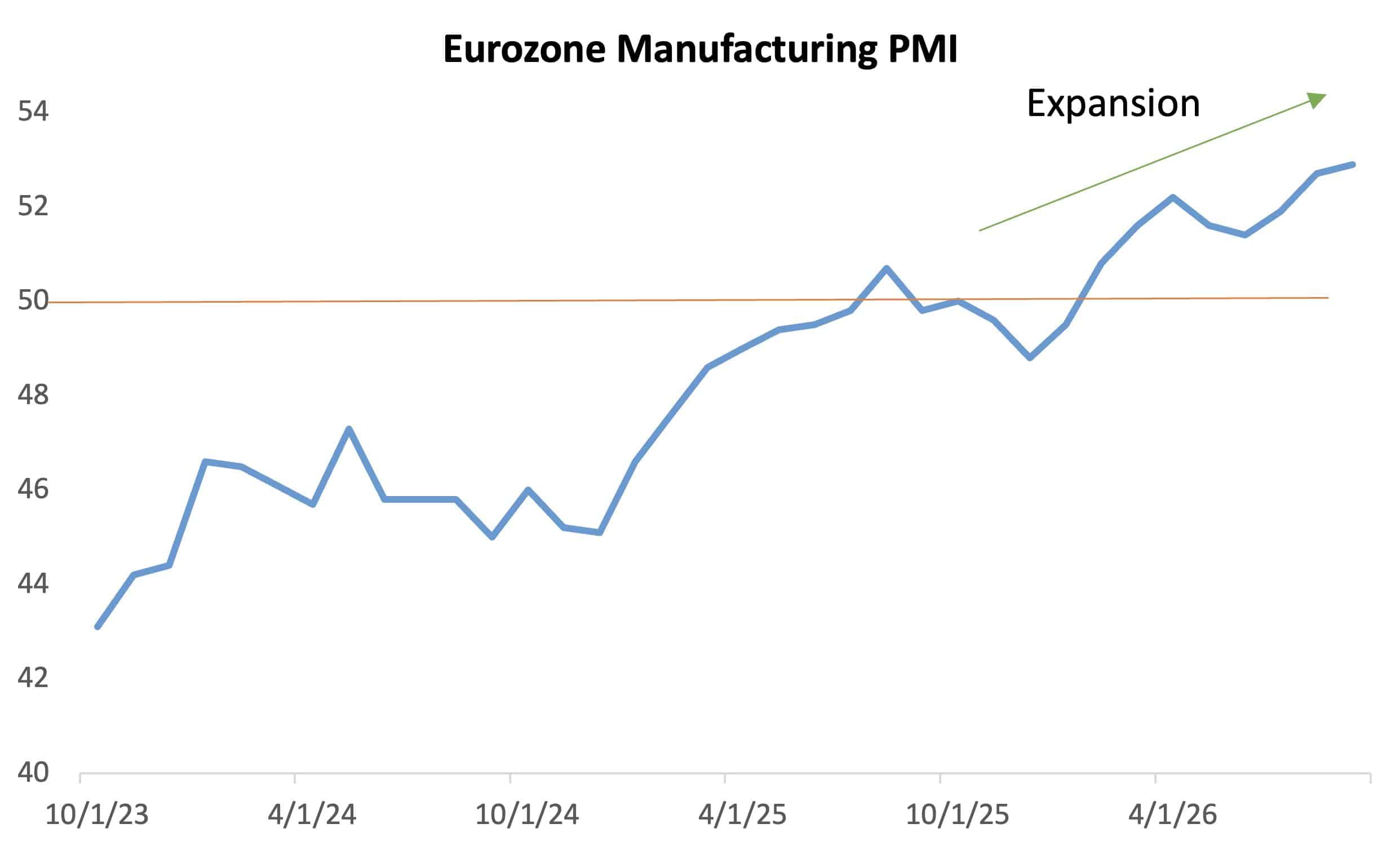
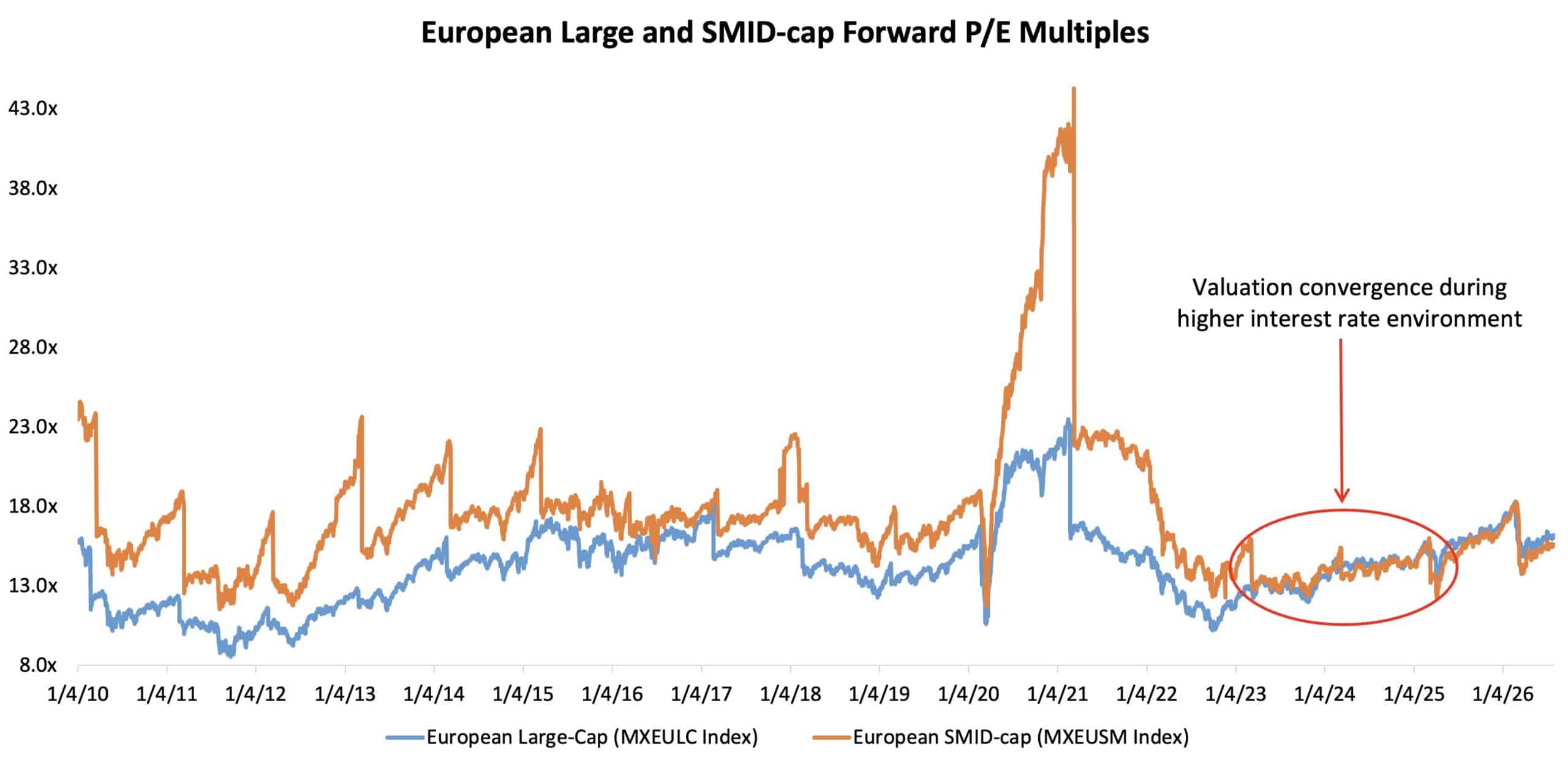
Valuations add another layer to the case, but it is their combination with an improving earnings outlook that makes European SMIDs worth considering now. European SMIDs trade at a forward P/E discount of approximately 1% to large caps, compared with a historical premium of roughly 20%, while offering ~15% earnings CAGR over the next three years, outpacing large-cap peers. Importantly, earnings revisions have been improving alongside a firmer manufacturing backdrop: the eurozone’s manufacturing PMI reached its highest level in four years in September.
We believe this combination strengthens the case for investing in European SMIDs, particularly as further upside in interest rates and energy prices appears limited after their sharp rise following the outbreak of war in Iran. Improving earnings prospects, could provide a catalyst for investors to reassess discounted valuations, while Europe’s longer-term infrastructure, electrification and industrial-sovereignty investments offer a source of demand beyond the immediate cyclical recovery.
Remaining selective when financing costs matter
The opportunity is not uniform. SMIDs in aggregate face a higher interest burden relative to earnings than their large-cap peers, which can constrain cash available for reinvestment and shareholder distributions. Any stabilisation in European sovereign yields could provide support, but inflation concerns and fiscal uncertainty could keep term premia elevated for longer. The investment case therefore needs to remain credible without relying on a rapid fall in financing costs.
This makes pricing power, balance-sheet strength, execution capacity and stock liquidity central to selection. A business can benefit from an attractive spending theme and still deliver disappointing shareholder returns if financing requirements absorb its cash flow or competitive pressure limits margins. Combining broad systematic analysis with detailed fundamental work helps frame these questions consistently across a large opportunity set.
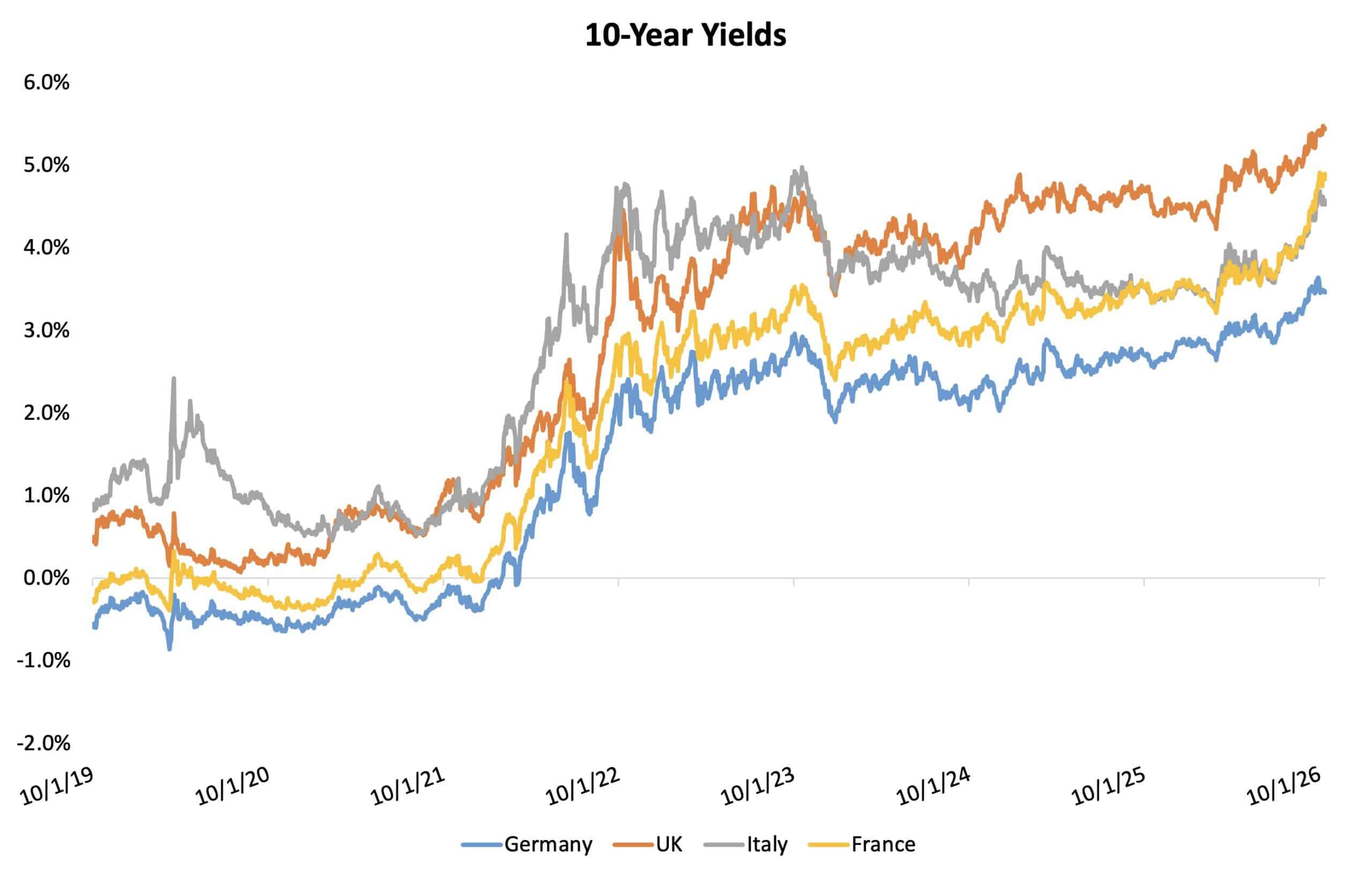
Major European sovereign bond yields are at five-year highs.
Capturing the opportunity through disciplined selection
European SMIDs deserve attention for the combination of regional investment demand, improving earnings prospects and relative valuations. Their uneven liquidity and thematic exposure creates an additional reason to invest selectively. We believe the mind and machine approach is well suited to this task: systematic analysis broadens the search, while fundamental judgement tests the durability of the opportunities identified. The aim is to find companies that can turn Europe’s investment priorities into sustainable shareholder returns, at valuations that leave room for upside.
Disclaimer
INFORMATION ONLY FOR YOU
This document has been prepared for your information only and must not be distributed, published, reproduced or disclosed (in whole or in part) by recipients to any other person without the prior written consent of Unigestion or Kepler Unigestion. It is neither directed to, nor intended for distribution or use by, any person or entity who is a citizen or resident of, or domiciled or located in, any locality, state, country or jurisdiction where such distribution, publication, availability or use would be contrary to law or regulation.
RELIANCE ON UNIGESTION
There is no guarantee that Unigestion or Kepler Unigestion will be successful in achieving any investment objectives. An investment strategy contains risks, including the risk of complete loss.
Except where otherwise specifically noted, the information contained herein, including performance data and assets under management, relates to the entire affiliated group of Unigestion or Kepler Unigestion entities over time. Such information is intended to provide you with background regarding the services, investment strategies and personnel of the Unigestion entities. No guarantee is made that all or any of the individuals involved in generating the performance on behalf of one or more Unigestion entities will be involved in managing any specific client account on behalf of another Unigestion or Kepler Unigestion entity.
NOT A RECOMMENDATION OR OFFER
This is a promotional statement of our investment philosophy and services only in relation to the subject matter of this presentation. It constitutes neither investment advice nor recommendation. This document represents no offer, solicitation or suggestion of suitability to subscribe in either the investment vehicles to which it refers or to any securities or financial instruments described herein. Any such offer to sell or solicitation of an offer to purchase shall be made only by formal offering documents, which include, among others, a confidential offering memorandum, limited partnership agreement (if applicable), investment management agreement (if applicable), operating agreement (if applicable), and related subscription documents (if applicable). Such documentation contains additional information material to any decision to invest. Please contact your professional adviser/consultant before making an investment decision.
Reference to specific securities should not be construed as a recommendation to buy or sell such securities and is included for illustration purposes only.
RISKS
Where possible we aim to disclose the material risks pertinent to this document. The views expressed in this document do not purport to be a complete description of the securities, markets and developments referred to in it. Unigestion maintains the right to delete or modify information without prior notice. The risk management practices and methods described herein are for illustrative purposes only and are subject to modification.
Investors shall conduct their own analysis of the risks (including any legal, regulatory, tax or other consequences) associated with an investment and should seek independent professional advice. Some of the investment strategies or financial instruments described or alluded to herein may be construed as high risk and not readily realisable investments, and may experience substantial & sudden losses including total loss of investment. These are not suitable for all types of investors. Unigestion has the ability in its sole discretion to change the strategies described herein.
PAST PERFORMANCE
Past performance is not a reliable indicator of future results, the value of investments, can fall as well as rise, and there is no guarantee that your initial investment will be returned.
If performance is shown gross of management fees, you should be aware that the inclusion of fees, costs and charges will reduce investment returns.
Returns may increase or decrease as a result of currency fluctuations.
NO INDEPENDENT VERIFICATION OR REPRESENTATION
No separate verification has been made as to the accuracy or completeness of the information herein. Data and graphical information herein are for information only and may have been derived from third party sources. Unigestion or Kepler Unigestion takes reasonable steps to verify, but does not guarantee, the accuracy and completeness of information from third party sources. As a result, no representation or warranty, expressed or implied, is or will be made by Unigestion or Kepler Unigestion in this respect and no responsibility or liability is or will be accepted. All information provided here is subject to change without notice. It should only be considered current as of the date of publication without regard to the date on which you may access the information. An investment with Unigestion or Kepler Unigestion, like all investments, contains risks, including total loss for the investor.
